AquariumAquaristik
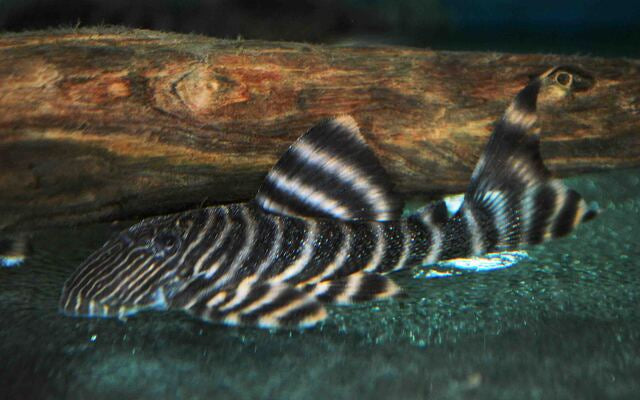
L002 Tiger Peckoltia – Panaqolus sp. | Rare wild-caught specimen with striking tiger markings
L002 Tiger Peckoltia – Panaqolus sp. | Rare wild-caught specimen with striking tiger markings
Couldn't load pickup availability
The L002 Tiger Peckoltia ( Panaqolus sp. ) is a rare and exceptionally attractive wild-caught specimen from the Rio Tocantins in Brazil. Its high-contrast, orange-brown tiger stripes on a dark background make it a true gem in any aquarium. Due to its compact size and peaceful nature, the L002 is ideally suited for community aquariums with a South American flair.
The Tiger Peckoltia remains small, reaching a final size of about 10–12 cm, and is a peaceful, crepuscular wood-rasping fish. It spends a lot of time on roots and stones and prefers slightly acidic, oxygen-rich water with a moderate current.
🌿 Characteristics & Attitude:
🐠 Fish size: XL (9–11 cm)
🌎 Origin: Brazil (Rio Tocantins) – Wild caught
🌡️ Temperature: 25-30°C
💧 pH value: 6.0–7.5
⚖️ Total hardness: up to 18 °dGH
🐟 Social behavior: Peaceful, calm, slightly territorial towards other members of their species
🌾 Aquarium: From 100 liters, with roots, stones, sandy bottom & gentle current
🍽️ Feeding:
Panaqolus sp. (L002) is a typical wood-eater ( xylophagous ). It constantly requires soft driftwood to rasp on. It also eats plant-based foods such as spirulina, seaweed wafers, vegetable chips, zucchini, and cucumber. Occasionally, it will also accept frozen foods like brine shrimp or cyclops.
💡 Tip:
A well-structured aquarium with plenty of roots and caves is ideal. The orange stripes of the L002 pleco stand out particularly vividly against a dark substrate. Good water circulation and regular water changes promote vitality and color contrast.
👉 Conclusion:
The L002 Tiger Peckoltia ( Panaqolus sp. ) is a peaceful, small wild-caught fish with a striking tiger pattern – perfect for lovers of intensely colored Panaqolus species and natural South American aquariums.
Split